

I’ll be honest with you: two years ago, I made a massive financial blunder. I had some savings, and everyone from my parents to my closest friends was whispering the same advice in my ear: “Buy a house! Renting is just throwing money away.” Caught up in the emotion of “settling down,” I booked a flat. I felt like an adult. But six months later, when property taxes, maintenance fees, and rising interest rates started suffocating my bank account, I realized I hadn’t done the math. I had made a life-altering decision based on “vibes” rather than reality. That was my wake-up call. Today, I don’t make a single move without checking the data on frecalculators.online. Numbers don’t lie; people do.
Standing here in 2026, the question remains the same: Should you buy or should you rent? Let’s perform a post-mortem on this decision.
1. The Harsh Reality of the 2026 Housing Market
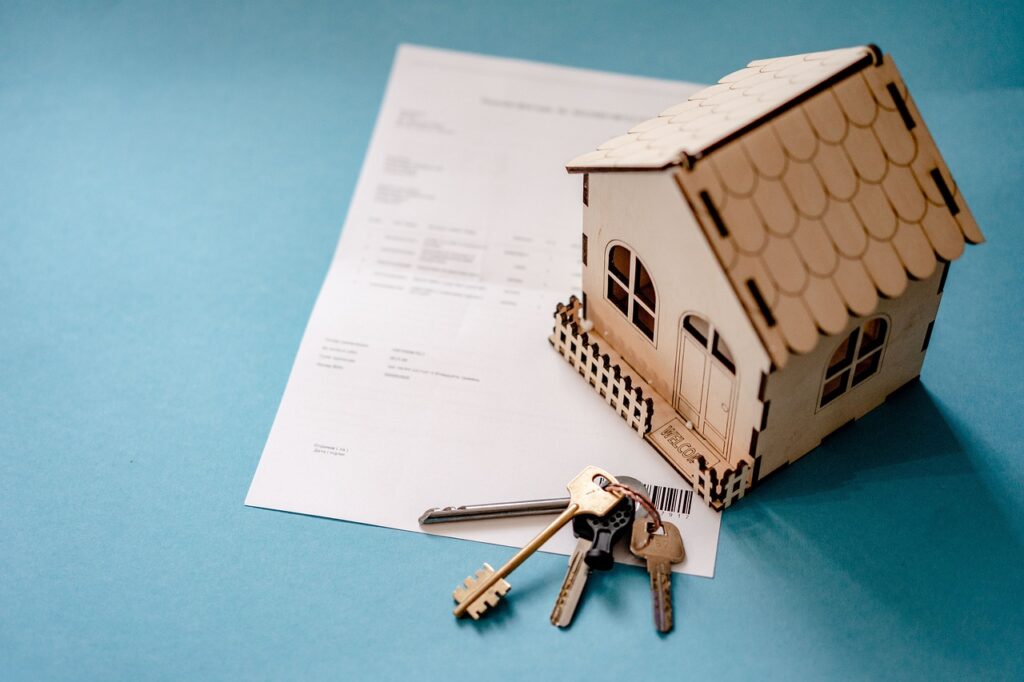
In 2026, buying a home isn’t just a “dream” it’s a massive financial liability. Back in the day, people bought houses and forgot about them. Today, the combination of sky-high interest rates and inflation has changed the game. If you buy today, you aren’t just paying for the bricks; you’re signing away your freedom to the bank for the next 20 years.
I learned that before you even look at a property, you must ensure your monthly installment doesn’t exceed 30% of your take-home pay. If it does, you aren’t a homeowner; you’re a tenant of the bank. To get your baseline numbers straight, I always recommend the financial tools on our Home Page.
2. The Myth That “Rent is Wasted Money”

This is the biggest lie we’ve been told since childhood. People say paying rent is like burning cash. But think about it: when you rent, you aren’t paying for “nothing” you’re paying for flexibility.
If a better job opportunity opens up in another city tomorrow, a renter can pack their bags and leave in a week. A homeowner is stuck with a “cement cage.” In the remote-work world of 2026, flexibility is often worth more than equity. Last year, when I sold my flat and moved back into a rental, the mental peace I gained was priceless.
3. Opportunity Cost: Where Else Could That Money Go?
Let’s say you have $50,000 for a down payment. If you put that into a house, that money is “locked.” But what if you invested that same $50,000 into a business or a diversified stock portfolio?
When I ran the numbers, I was shocked. In my previous article, The Freelancer’s Survival Math, I talked about how every dollar must be an employee working for you. If you buy a house, you lose that “Opportunity Cost.” Will the house appreciate faster than a well-run business? In 2026, the answer is usually “No.”
4. Hidden Costs: What the Broker Won’t Tell You

The price on the contract is never the final price. You have registration fees, legal charges, brokerage, and the never-ending cycle of maintenance.
During my first year of homeownership, a water leakage issue and a lift maintenance bill wiped out my entire savings for the quarter. If I had been renting, that would have been the landlord’s problem. In 2026, construction materials are so expensive that even a “minor” repair can derail your monthly budget. Before you jump in, use the expense trackers at frecalculators.online to see what you’re really signing up for.
5. The Interest Rate Trap
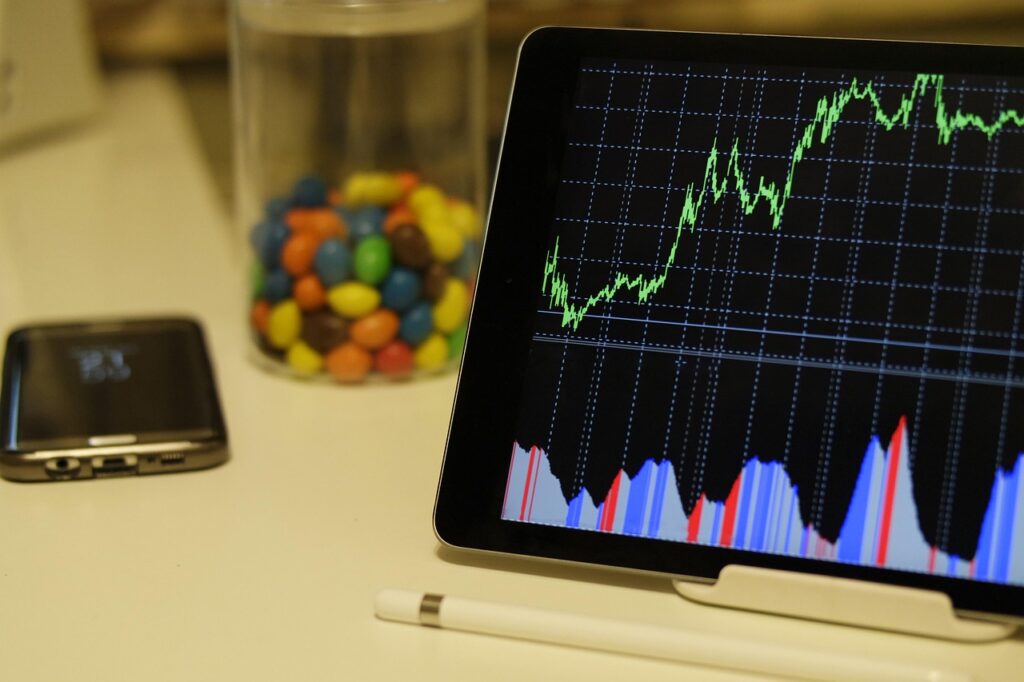
Interest rates in 2026 are no longer stable. If you take a “floating rate” loan, your EMI (Equated Monthly Installment) could jump overnight. I’ve seen friends whose EMIs became higher than their actual salaries because they didn’t do the “Stress-Test” math.
Always remember: the bank is not your friend. They sell you the dream of “Easy EMIs” to keep you in a debt trap for decades. Use the loan calculators on our Home Page to see the total interest you’ll end up paying it’s often double the actual house price!
6. Psychology: Do You Want Peace or a Title Deed?

Not everything is about pure math; emotions play a role. If owning a home gives you “Mental Peace,” then buy it. But realize that peace only comes if your bank balance isn’t zero.
I’ve seen people buy houses but then spend their entire lives in such high stress trying to pay the mortgage that they never actually enjoy the home. Is that really peace? In my book, true peace is having liquidity and no debt.
7. When is Buying Actually the Right Move?

I’m not 100% against buying; I’m just against bad math. You should only buy a home if:
- You plan to stay in the same city for at least 10 years.
- You have at least 40% of the home price in cash.
- Your “Emergency Fund” is already fully funded and untouched.
If you don’t meet these three criteria, renting is the smarter move. Rent is simply the price you pay for “Financial Freedom.”
8. Final Verdict: Data Over Desires
To survive and thrive in 2026, you need one formula: Data over Desires. Put your emotions aside. Grab a pen and paper or better yet, use our specialized tools—and write down exactly what renting costs vs. what buying costs over 5 years. If your “Net Worth” is higher with buying, only then move forward.
I learned the hard way that until you become friends with numbers, money will remain your enemy. Whether it’s real estate or a side hustle, every solution is hidden inside a good calculator.
For more financial insights and accurate calculations, bookmark our Home Page. It’s built to keep you from getting robbed by bad decisions. And if you’re a freelancer trying to navigate these costs, don’t miss my guide on Freelancer’s Survival Math it’s an eye-opener.